

When a Dental Visit Starts to Feel Like a Sales Conversation
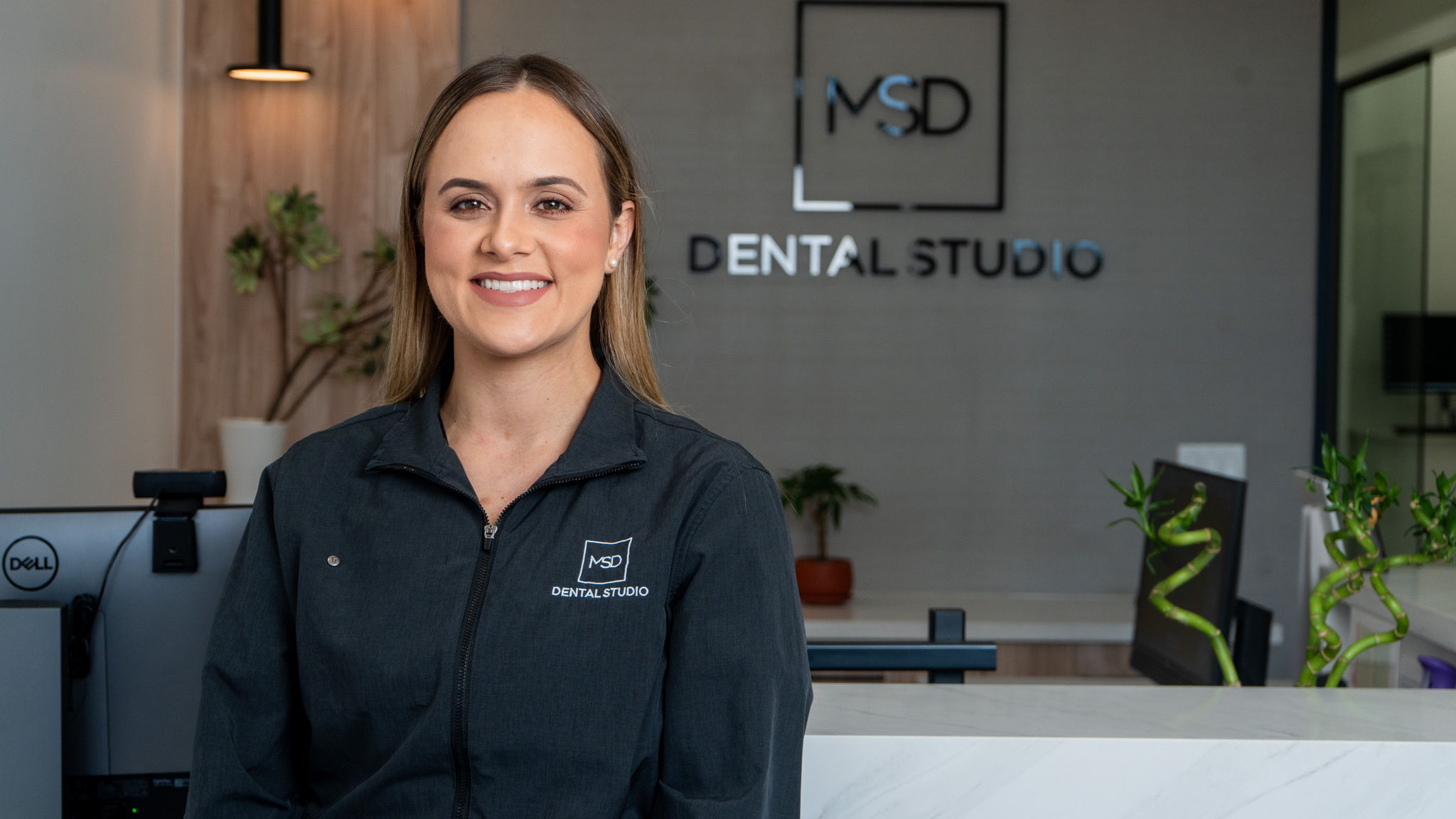
By Dr. Shantall Di Loreto
You go in for what you expect to be a routine visit.
A few X-rays. An exam. A conversation about what’s going on.
And then something shifts.
You’re being walked through options. Timelines. Costs. It all comes together quickly.
And before you’ve had much time to process it, you hear something like:
“The doctor’s schedule is booking up quickly… you may want to reserve time before this gets worse.”
It’s a familiar line.
And for some patients, it creates a sense of urgency.
For others, it creates something different.
A pause.
A feeling of being pushed toward a decision before they’re fully ready
When Everything Starts Happening at Once
Dentistry has advanced in meaningful ways.
We can diagnose more precisely. We can treat more predictably. We can often complete procedures in less time than ever before.
That’s real progress.
But alongside those improvements, the pace of the experience has changed.
In many offices, everything is designed to move efficiently.
Diagnosis leads into planning, and planning leads quickly into a decision—sometimes all within the same visit.
From a workflow standpoint, that makes sense.
But from a patient standpoint—especially when the decisions are long-term—it can feel like a lot, all at once.
Why That Moment Matters
Most dental treatment isn’t reversible.
When a tooth is restored, reshaped, or replaced, we’re not trying something temporarily.
We’re committing to a direction.
That’s why timing matters.
“Most of what we do isn’t reversible. That alone should slow the conversation down a bit.” — Dr. Matthew Dillon
This isn’t about delaying care when it’s needed.
It’s about recognizing that how a decision is made matters just as much as the decision itself.
Because when things move too quickly, something subtle happens. Patients hesitate.
What I Noticed Over Time
Earlier in my career, I worked in environments where there was a very defined process.
The clinical exam would happen first.
And then, in many cases, another team member would step in to guide the patient through
next steps—scheduling, timing, and financial options.
In some offices, that role was even referred to as a “closer.”
The issue wasn’t the coordination itself.
It was what started to happen within that structure.
Clinical recommendations were sometimes interpreted and presented by someone without clinical training, whose role was tied to keeping the schedule full.
At that point, the conversation was no longer grounded purely in clinical judgment.
And that creates a problem.
Because patients deserve to understand their condition and their options directly from the person responsible for their care.
When that responsibility is shifted—or filtered—it compromises clarity.
And over time, it compromises trust.
And when I would see those same patients again, something felt different.
They were often quieter. More reserved.
Even when they had agreed to move forward with treatment, there was sometimes a sense of uncertainty.
Even when patients said yes, it didn’t always feel like a confident yes.
That never sat right with me.
When It Starts to Feel Transactional
That moment isn’t always about what’s being said.
It’s about how and when it’s happening.
When clinical decisions, scheduling availability, and financial options are all layered into the same conversation—and a decision is expected in that moment—it can start to feel less like healthcare…
and more like something else.
A transaction.
Not because anyone intends it that way.
But because of how everything is structured.
And for patients, that distinction matters.
A More Thoughtful Pace
I believe those conversations are important.
They just don’t all need to happen at the same time.
The clinical conversation should come first. What’s going on, why it matters, and what your options are.
From there, timing can be discussed. Then logistics. Then financial considerations.
And even then, not everything has to be decided immediately.
There’s nothing wrong with planning ahead.
But that shouldn’t replace understanding what you’re actually committing to.
“It may not always be the fastest way—but at least for us, it’s the right way.” —
Dr. Shantall Di Loreto
Sometimes the most helpful thing I can do is explain things clearly—and give you space to think.
What Patients Are Actually Looking For
Most patients aren’t looking to be convinced.
They’re looking to understand.
They want to know what’s happening, what their options are, and what matters most right now.
And when that clarity is there, decisions tend to come naturally.
Without pressure.
What a Better Experience Feels Like
The difference isn’t always dramatic.
It’s subtle.
You don’t feel rushed. You feel part of the process.
Because the decision isn’t happening to you—it’s being made with you.
A Final Thought
Dentistry has never been more advanced.
But the experience shouldn’t feel like a transaction.
It should feel like a conversation.
One where you understand your options, feel comfortable asking questions, and have the space to make the right decision for you.
That’s the standard I believe in.
If you’ve ever left a dental visit feeling unsure about what was recommended, I’m always happy to give you clarity—without pressure.
Disclaimer
This article is for educational purposes only and does not diagnose or treat medical conditions. Research discussed shows associations, not direct causation. Patients should consult with their dental and medical providers regarding individual care decisions.