
Standing at the crossroads of orthodontic treatment, you’re faced with a decision that will impact your smile for decades to come. The choice between Invisalign and traditional braces isn’t just about straightening your teeth; it’s about finding the treatment method that seamlessly integrates with your lifestyle, meets your aesthetic preferences, and delivers the results you’re dreaming of.
Both orthodontic approaches have transformed millions of smiles worldwide, but they offer fundamentally different experiences. Whether you’re a teenager navigating high school social dynamics, a professional climbing the corporate ladder, or an older adult finally ready to address long-standing dental concerns, understanding the real differences between these treatments will help you make a confident, informed decision.
Why Choose Orthodontic Treatment? The Benefits of Straighter Teeth
Modern orthodontic treatment has revolutionized smile transformation, offering sophisticated solutions that go far beyond simple cosmetic improvement. Today’s patients have access to advanced technologies that can correct everything from minor spacing issues to complex bite problems, all while accommodating busy lifestyles and professional demands.
The benefits of orthodontic treatment extend well beyond aesthetics. Properly aligned teeth are easier to clean, reducing your risk of cavities, gum disease, and expensive dental problems down the road. Corrected bites can alleviate jaw pain, reduce teeth grinding, and even improve speech clarity. Many patients report increased confidence and improved quality of life after completing orthodontic treatment.
The decision between Invisalign and braces represents more than just choosing between clear aligners and metal brackets. You’re selecting a treatment that will influence your daily routine, eating habits, oral hygiene practices, and social interactions throughout your orthodontic journey.
How Do Traditional Braces Work?
Traditional metal braces remain the gold standard for comprehensive orthodontic correction, and their enduring popularity stems from proven effectiveness across virtually every type of dental misalignment. These time-tested systems consist of metal brackets precisely bonded to each tooth, connected by archwires that apply controlled, continuous pressure to gradually guide teeth into optimal positions.
Modern braces bear little resemblance to the bulky, uncomfortable appliances of previous generations. Today’s brackets are significantly smaller, more comfortable, and engineered with advanced materials that reduce treatment time while maximizing patient comfort. The continuous force application ensures steady progress toward your treatment goals, working around the clock regardless of your daily activities or compliance levels.
Traditional braces excel at handling complex orthodontic challenges that might prove difficult for alternative treatments. Severe crowding, significant rotations, major spacing corrections, and intricate bite adjustments are all within the realm of conventional bracket-and-wire systems. Because they’re permanently attached until treatment completion, braces eliminate the compliance factor that can make or break other treatment approaches.
Beyond standard metal braces, patients today can choose from ceramic brackets that blend with natural tooth color, or lingual braces positioned on the back surfaces of teeth for virtually invisible correction. These aesthetic alternatives maintain the mechanical advantages of traditional systems while addressing cosmetic concerns.
What is Invisalign?
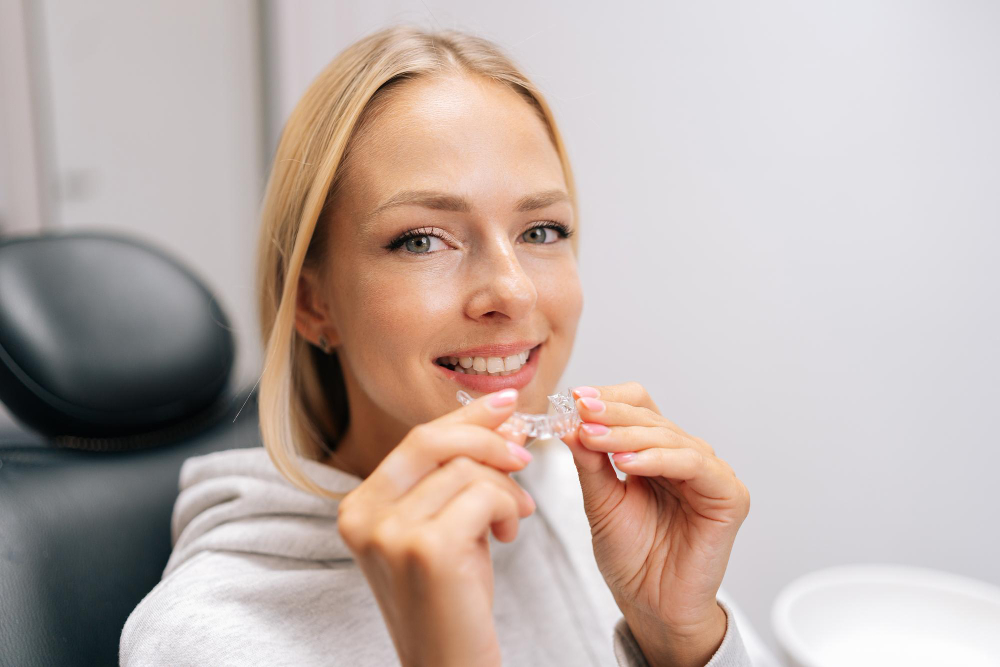
Invisalign has fundamentally changed how we approach orthodontic treatment, utilizing cutting-edge 3D imaging technology and precision manufacturing to create a series of custom, virtually invisible aligners. Each set of aligners represents a small step in your treatment journey, worn for approximately two weeks before progressing to the next stage of your transformation.
The technology behind Invisalign treatment is remarkably sophisticated. Advanced computer modeling maps your entire treatment pathway from initial consultation to final results, allowing both you and your orthodontist to visualize expected outcomes before treatment even begins. This digital precision provides a level of predictability that traditional methods simply cannot match.
What sets Invisalign apart is its removable design. Unlike permanently attached braces, these clear aligners can be taken out for meals, important social events, or thorough oral hygiene routines. This flexibility addresses many lifestyle limitations associated with traditional orthodontic treatment, allowing patients to maintain normal eating habits and social activities throughout their smile transformation.
However, this flexibility comes with significant responsibility. Invisalign’s success depends entirely on patient compliance; aligners must be worn 20-22 hours daily for optimal results. The treatment puts the responsibility for success squarely in your hands, requiring discipline and commitment that some patients find challenging to maintain consistently.
Invisalign vs Braces Effectiveness: Which Gets Better Results?
Both treatment methods can achieve excellent results when properly applied, but their effectiveness varies significantly based on case complexity and patient compliance. Traditional braces demonstrate superior performance in handling severe orthodontic problems, including major bite corrections, significant tooth rotations, and complex spacing issues. The continuous force application and precise mechanical control make them ideal for comprehensive orthodontic transformations.
Invisalign has dramatically expanded its treatment capabilities over the years. Modern clear aligner therapy can effectively address mild to moderate crowding, spacing issues, and many bite problems. The introduction of specialized attachments—small, tooth-colored bumps bonded to specific teeth—has enhanced Invisalign’s ability to achieve more complex movements. Additional innovations like precision cuts and bite ramps have further broadened the range of treatable cases.
However, certain complex orthodontic situations still require the precision and control that only traditional braces can provide. Severe skeletal discrepancies, significant vertical tooth movements, and complex rotations of rounded teeth may be better suited for conventional treatment approaches. Cases requiring major bite corrections or substantial tooth extrusion often achieve more predictable results with bracket-and-wire systems.
The key factor in treatment effectiveness isn’t necessarily the method chosen, but rather the skill and experience of your orthodontist in properly diagnosing your case and selecting the most appropriate treatment approach for your specific needs.
Cost Comparison: Invisalign vs Braces Pricing & Insurance Coverage
Understanding the financial investment required for orthodontic treatment is crucial for making an informed decision. Traditional braces typically offer the most cost-effective option, with comprehensive treatment generally ranging from $3,000 to $7,000 depending on case complexity, treatment duration, and geographic location. This price point makes conventional orthodontic treatment accessible to a broader range of patients and families.
Invisalign treatment usually commands a premium price, often costing $1,000 to $2,000 more than comparable treatment with traditional braces. This higher investment reflects the advanced technology, custom manufacturing processes, and specialized training required for clear aligner therapy. Many patients find this additional cost justified by the aesthetic and lifestyle benefits that removable aligners provide.
Insurance coverage varies significantly between plans, but most dental insurance policies that include orthodontic benefits treat both braces and Invisalign equally. Typical coverage includes a percentage of treatment costs up to a predetermined lifetime maximum, usually ranging from $1,000 to $3,000. Many orthodontic practices offer flexible payment plans and financing options to help make treatment more affordable, regardless of your chosen method.
When evaluating costs, consider the long-term value proposition. Both treatment options, when properly executed, provide lifelong benefits including improved oral health, enhanced self-confidence, and better overall dental function. The initial investment often pays dividends for decades through reduced dental complications and improved quality of life.
Lifestyle Factors: Daily Life With Braces vs Invisalign
Your daily routine and lifestyle preferences play a crucial role in determining treatment success and satisfaction. Traditional braces require specific dietary modifications to prevent damage to brackets and wires. Hard, sticky, chewy, or crunchy foods must be avoided throughout treatment, which can significantly impact eating habits and social dining experiences. Popular foods like popcorn, nuts, caramel, and certain fruits become off-limits for the duration of treatment.
Oral hygiene with braces requires additional time and specialized tools. Standard brushing and flossing become more complex procedures, requiring interdental brushes, floss threaders, and extra patience to thoroughly clean around brackets and wires. Many patients find their oral hygiene routine doubles in length during orthodontic treatment.

Invisalign offers significant lifestyle advantages, particularly for adults and active individuals. The removable design means no dietary restrictions; you can continue enjoying all your favorite foods by simply removing aligners before meals. This flexibility extends to special occasions, business meetings, or social events where you might prefer to temporarily remove aligners for photos or presentations.
However, Invisalign’s flexibility requires exceptional personal discipline. Aligners must be worn consistently for 20-22 hours daily, leaving only 2-4 hours for meals, oral hygiene, and aligner cleaning. Patients must develop strict wear schedules and resist the temptation to extend aligner-free periods beyond recommended timeframes.
Comfort Levels: Pain & Adjustment Periods Compared
Both treatment methods involve adjustment periods as your mouth adapts to orthodontic appliances, but the comfort experiences differ significantly. Traditional braces typically cause initial soreness as teeth begin moving, and brackets and wires can irritate the soft tissues of your cheeks and lips. Most patients adapt within 2-3 weeks, and orthodontic wax can provide relief during the initial adjustment period.
Regular tightening appointments with braces often result in 2-3 days of increased sensitivity as new forces are applied to your teeth. This discomfort is generally manageable with over-the-counter pain relievers and soft foods during adjustment periods.
Invisalign typically produces less initial discomfort since the smooth plastic aligners lack sharp edges or protruding components. However, each new set of aligners introduces fresh pressure as they guide teeth into new positions. Some patients experience temporary speech changes initially, though most adapt quickly as their tongue adjusts to the aligners’ presence.
The removable nature of Invisalign can be both a comfort advantage and a potential complication. While you can remove aligners if they become uncomfortable, this flexibility might tempt some patients to remove them more frequently than recommended, potentially compromising treatment effectiveness.
Treatment Time: How Long Do Braces vs Invisalign Take?
Treatment duration depends heavily on case complexity, but general patterns emerge between the two approaches. Traditional braces typically require 18-36 months for comprehensive correction, with regular adjustment appointments scheduled every 4-8 weeks. These appointments are essential for wire changes, elastic replacements, and progress monitoring.
Invisalign treatment often parallels conventional treatment timeframes, though some simpler cases may be completed more quickly due to the precise digital treatment planning involved. Patients typically receive multiple sets of aligners at once, visiting their orthodontist every 6-10 weeks to monitor progress and receive additional aligners. This reduced appointment frequency can be convenient for busy professionals and students.
Both treatment methods require post-treatment retention to maintain results. Retainers are absolutely essential regardless of your chosen treatment, as teeth naturally tend to shift back toward their original positions without proper retention protocols. The retention phase typically involves wearing retainers full-time for several months, then transitioning to night-time wear for years or even permanently.
Compliance significantly impacts treatment duration with both methods. Missing appointments, breaking brackets, or inconsistent aligner wear can extend treatment timelines and compromise final results.
Making Your Decision: Invisalign vs Braces – Which Should You Choose?
Invisalign isn’t magic, and braces aren’t medieval torture devices. Both are proven, effective treatments with different strengths and weaknesses.
The biggest mistake people make? Choosing based on what worked for their friend, coworker, or influencer they follow online. Your teeth, your bite, your lifestyle, and your priorities are unique. What matters is finding the treatment that addresses YOUR specific needs.
Choose traditional braces if: You have complex orthodontic issues, want the most cost-effective option, don’t mind dietary restrictions, need major bite corrections, or prefer treatment that doesn’t depend on your daily compliance. Braces are also ideal if you’re prone to losing things or know you’d struggle with the discipline required for aligner wear.
Choose Invisalign if: You have mild to moderate alignment issues, prioritize aesthetics and flexibility, can honestly commit to wearing aligners 20-22 hours daily, don’t mind paying extra for convenience, and have a lifestyle where removable aligners provide significant advantages.
If you’re an adult who travels for work and attends client meetings, Invisalign’s discretion might be worth the extra cost. If you’re dealing with severe crowding and want the most predictable results, braces could be the smarter choice regardless of age.
Here’s a reality check: Can you honestly commit to wearing Invisalign aligners for 22 hours daily without cheating? If you’re not completely confident in your answer, braces might be the more reliable choice. There’s no shame in choosing the treatment method that works better with your personality and lifestyle.
Stop looking for the “perfect” option; it doesn’t exist. Look for the option that’s perfect for YOU. Then commit to it fully, follow your orthodontist’s instructions religiously, and trust the process. That’s how you get the smile transformation you’re dreaming about.