


There’s something deeply ironic about coffee. The very beverage that helps you face the world with energy and clarity is also the one leaving yellowish-brown stains on your teeth that make you hesitant to smile. If you’re a dedicated coffee drinker who’s noticed your teeth looking less than brilliant lately, you’re certainly not alone. Millions of coffee lovers face this same frustration daily, searching for ways to enjoy their beloved brew without sacrificing a bright smile.
The internet is flooded with miracle cures and quick fixes, but many of these so-called solutions are either ineffective or potentially harmful to your dental health. The good news? There are legitimate, natural methods to remove coffee stains from teeth that actually work when applied correctly and consistently. This comprehensive guide will walk you through the science behind coffee staining, the most effective natural remedies, and practical strategies to prevent future discoloration.
Why Coffee Stains Your Teeth: The Chemistry Behind the Problem
Understanding why coffee stains teeth is the first step toward effectively removing those stains. Coffee contains compounds called tannins, which are also found in tea and wine. These organic substances are notorious for their ability to cling to tooth enamel and cause discoloration over time.
Your tooth enamel, despite being the hardest substance in your body, isn’t completely smooth. Under a microscope, it looks more like a landscape of tiny peaks and valleys. These microscopic imperfections create perfect hiding spots for tannins and other staining compounds. When you drink coffee, these molecules settle into these tiny crevices and, over repeated exposure, build up into visible stains.
The acidity of coffee compounds the problem. With a pH typically around 4.85 to 5.10, coffee is acidic enough to temporarily soften your enamel. This softening makes it easier for staining compounds to penetrate and adhere to your teeth. If you’re sipping coffee throughout the day rather than drinking it quickly, you’re exposing your teeth to this acidic, staining environment for extended periods, which accelerates discoloration.
Baking Soda: The Gentle Giant of Natural Whitening
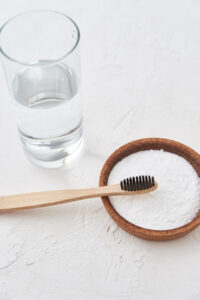
Baking soda deserves its reputation as one of the most effective natural teeth whiteners available. This common kitchen ingredient works through mild abrasion, gently scrubbing away surface stains without the harsh chemicals found in commercial whitening products. Its slightly alkaline nature also helps neutralize the acids in your mouth that contribute to staining.
The key to using baking soda safely and effectively lies in the application method. Never use it dry or in excessive amounts, as this can be too abrasive and potentially damage your enamel over time. Instead, create a paste by mixing one teaspoon of baking soda with enough water to form a consistency similar to toothpaste.
Apply this paste to your teeth using a soft-bristled toothbrush, and use gentle circular motions rather than aggressive scrubbing. Focus on the front surfaces where staining is most visible, but don’t neglect the sides and back of your teeth. Brush for about two minutes, then rinse thoroughly. The critical rule with baking soda is moderation – use this method no more than two to three times per week. Overuse can wear away enamel, leading to increased sensitivity and, ironically, more staining as the darker dentin layer beneath becomes exposed.
Many people notice visible improvement after just a few applications, though consistent use over several weeks typically produces the most dramatic results.
Oil Pulling: Ancient Wisdom Meets Modern Science
Oil pulling is an ancient Ayurvedic practice that’s experienced a resurgence in popularity, partly due to growing evidence of its oral health benefits. While it’s not a quick fix for removing existing stains, regular oil pulling can gradually reduce surface discoloration while providing numerous other dental health benefits.
The process is straightforward but requires commitment. Take about one tablespoon of high-quality coconut oil and swish it around your mouth for 15 to 20 minutes. This might sound like a long time at first, but many people find they can easily do it while showering, checking emails, or doing other morning tasks.
The theory behind oil pulling for stain removal is that the oil binds with bacteria and other compounds in your mouth, including some of the substances that contribute to staining. The swishing action helps lift these materials from your teeth and gums. Additionally, the mechanical action of moving the oil around your mouth for an extended period can help dislodge surface stains.
For best results, oil pull first thing in the morning before eating or drinking anything. After 15 to 20 minutes, spit the oil into a trash can (not your sink, as it can solidify and cause plumbing issues), then rinse your mouth with warm water and brush your teeth normally. Consistency is crucial here – oil pulling works gradually over time rather than providing instant results. Plan on doing this daily for at least a month before expecting to see noticeable whitening effects.
Hydrogen Peroxide: The Dental Office Secret
Many professional whitening treatments rely on hydrogen peroxide, and you can harness its stain-removing power at home safely and naturally. The key is using the right concentration and application method. Stick with 3% hydrogen peroxide solution, which is what’s typically sold in drugstores for first aid use.
The simplest method is using hydrogen peroxide as a mouth rinse. Mix equal parts 3% hydrogen peroxide and water, swish the solution around your mouth for 30 to 60 seconds, then spit it out and rinse with plain water. Never swallow hydrogen peroxide, even in diluted form. This rinse can be used daily, though some people prefer alternating days to minimize any potential sensitivity.
For a more intensive treatment, you can create a paste by mixing hydrogen peroxide with baking soda. Combine two teaspoons of hydrogen peroxide with three teaspoons of baking soda to create a paste similar in consistency to regular toothpaste. Brush gently with this mixture for about two minutes, then rinse thoroughly. Use this paste treatment no more than a few times per week.
Hydrogen peroxide works by oxidizing the compounds that cause staining, essentially breaking them down so they’re easier to remove. It also has antibacterial properties, contributing to overall oral health. Many people notice results relatively quickly with hydrogen peroxide treatments, sometimes within just a few applications.
Apple Cider Vinegar: Powerful but Proceed with Caution
Apple cider vinegar has become something of a miracle cure in natural health circles, and it does have legitimate stain-removing properties. The acetic acid in apple cider vinegar can help break down stains and kill bacteria. However, this is one natural remedy that requires significant caution because that same acid can damage your enamel if used incorrectly.
Never apply undiluted apple cider vinegar directly to your teeth. The high acidity can erode enamel, leading to sensitivity, increased staining, and other dental problems. Instead, dilute two teaspoons of apple cider vinegar in six ounces of water. Use this diluted solution as a mouth rinse, swishing for about 30 seconds, then rinse thoroughly with plain water.
Even diluted, apple cider vinegar should be used sparingly – no more than a few times per week, and ideally not on consecutive days. Always rinse with plain water immediately after using it, and wait at least 30 minutes before brushing your teeth. Your enamel is temporarily softened after acid exposure, and brushing immediately can cause additional wear.
Strawberries and Baking Soda: Nature’s Whitening Duo
This combination might sound more like dessert than dental care, but strawberries contain malic acid, a natural astringent that can help remove surface discoloration. When combined with the gentle abrasive properties of baking soda, you get a natural whitening treatment that’s actually pleasant to use.
Mash one ripe strawberry into a pulp, then mix in about half a teaspoon of baking soda to create a paste. Apply this mixture to your teeth using your finger or a soft toothbrush, and let it sit for about five minutes. The malic acid in the strawberries works to break down stains while the baking soda gently scrubs them away.
After five minutes, rinse thoroughly and brush with regular toothpaste to remove any remaining strawberry seeds and residue. The natural sugars in strawberries mean you don’t want to leave this mixture on your teeth for extended periods, and you definitely want to brush afterward to prevent any sugar-related issues.
This is a gentler approach than straight baking soda, making it suitable for people with sensitive teeth who still want natural whitening benefits. Use this treatment once or twice per week for best results.
Prevention: The Most Effective Natural Approach
While removing existing stains is important, preventing new stains from forming is ultimately the most effective natural strategy. The good news is that you don’t have to give up coffee to maintain whiter teeth – you just need to be smarter about how you consume it.
Drinking your coffee through a straw is one of the simplest and most effective prevention methods. This minimizes contact between coffee and your front teeth, which are the most visible when you smile. While it might feel unusual at first, many coffee drinkers find they quickly adjust to this habit.
Timing matters significantly. Drinking your coffee in one sitting rather than sipping throughout the day reduces the total exposure time to staining compounds and acids. If you’re going to drink multiple cups, try to consume them during a shorter time window rather than spacing them throughout the day.
Rinsing your mouth with water after finishing your coffee helps wash away staining compounds before they have time to settle into your enamel. This simple 30-second habit can dramatically reduce staining over time. Some people keep a glass of water at their desk specifically for this purpose, taking a few swishes after their last sip of coffee.
Adding milk or cream to your coffee isn’t just about taste – it genuinely helps reduce staining. The proteins in dairy products bind with tannins, making them less likely to adhere to your teeth. Even a small amount of milk can make a meaningful difference in staining potential.
Crunchy Fruits and Vegetables: Nature’s Toothbrush
While not a quick fix for existing stains, incorporating certain raw fruits and vegetables into your diet provides a gentle, natural way to prevent and slowly reduce coffee staining. Apples, carrots, celery, and other crunchy produce act as natural abrasives, scrubbing your teeth as you chew. They also stimulate saliva production, which helps neutralize acids and wash away staining compounds.
Apples deserve special mention because they contain malic acid, the same compound found in strawberries that helps break down stains. Eating an apple after your coffee can help minimize staining while providing a healthy snack. The firm texture scrubs your teeth, while the acid content helps prevent stain buildup.
While this approach won’t remove deep-set stains quickly, making these foods a regular part of your diet contributes to gradual whitening and helps prevent future staining. Think of it as ongoing maintenance rather than intensive treatment.
Building Your Natural Whitening Routine
The most effective approach to removing coffee stains naturally involves combining several methods into a consistent routine. Start with prevention strategies – use a straw, rinse after coffee, and add milk to your brew. Build on this foundation with regular oil pulling or hydrogen peroxide rinses, which can be done daily.
Add more intensive treatments like baking soda brushing or strawberry-baking soda paste two to three times per week. Reserve potentially harsher methods like apple cider vinegar for once-weekly use at most. This layered approach provides consistent, gentle stain removal without overwhelming your enamel or causing sensitivity.
Track your progress with regular photos in consistent lighting conditions. Changes happen gradually, and it’s easy to miss improvement when you see your teeth every day. Monthly photos help you objectively assess what’s working and what might need adjustment in your routine.
Remember that natural whitening is a marathon, not a sprint. Unlike professional treatments that produce dramatic results quickly, natural methods work gradually over weeks and months. Patience and consistency are your greatest assets in this process.
When Natural Methods Aren’t Enough
While natural remedies can be remarkably effective for surface stains and mild discoloration, it’s important to recognize when professional intervention might be necessary. If you’ve been consistently using natural whitening methods for several months without seeing improvement, the staining might be too deep or extensive for home remedies to address effectively.
Intrinsic staining, which occurs within the tooth structure rather than on the surface, typically doesn’t respond well to natural remedies. This type of staining can result from certain medications, excessive fluoride exposure during childhood, or trauma to the teeth. Professional whitening treatments or other cosmetic dental procedures might be necessary to address intrinsic stains.
If your teeth are becoming increasingly sensitive during your natural whitening efforts, take a break and consult with your dentist. Sensitivity can indicate enamel damage or other dental issues that need professional attention.
Your Path to a Brighter Smile
Coffee stains don’t have to be the price you pay for your daily caffeine ritual. With the right combination of natural remedies, prevention strategies, and good oral hygiene, you can enjoy your coffee while maintaining a bright, confident smile. The natural methods outlined in this guide are safe, effective, and gentler on your enamel than many commercial whitening products.
Start with the prevention strategies and basic methods like baking soda or hydrogen peroxide, which have the strongest scientific support and track record of safety. Add other techniques as you see how your teeth respond, always prioritizing enamel protection and overall dental health over rapid whitening. Your smile is too important to risk with unproven methods or aggressive treatments.