

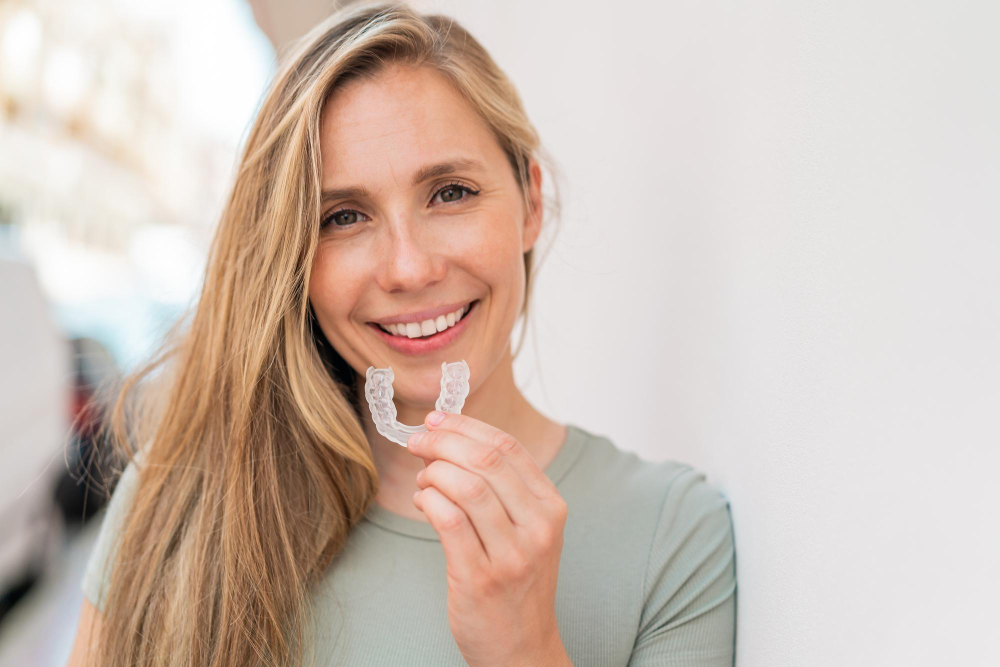
The decision to straighten your teeth is a big one, and choosing between clear aligner systems can feel overwhelming. While Invisalign has become practically synonymous with clear aligners, ClearCorrect has emerged as a formidable competitor offering similar results at different price points. If you’re standing at this crossroads, wondering which system will give you the smile you’ve always wanted, you’re not alone. Thousands of people face this same decision every day, trying to cut through marketing hype to find real answers.
The truth is, both systems can deliver excellent results, but they have distinct differences that might make one more suitable for your specific situation. This comprehensive comparison will break down everything from treatment technology and effectiveness to cost and convenience, giving you the information you need to make a confident decision about your orthodontic journey.
The Basics: What Are These Systems?
Before diving into comparisons, it’s important to understand what you’re comparing. Both ClearCorrect and Invisalign are clear aligner systems designed to straighten teeth without traditional metal braces. They work on the same fundamental principle: gradually moving your teeth into proper alignment using a series of custom-made, removable plastic trays that you switch out every week or two.
Invisalign launched in 1997 and essentially created the clear aligner market. As the pioneer in this space, they’ve had over 25 years to refine their technology, build their brand, and treat millions of patients worldwide. This first-mover advantage has given them tremendous market dominance and name recognition that’s hard to overstate.
ClearCorrect entered the market in 2006, nearly a decade after Invisalign. As the challenger brand, they’ve focused on offering comparable technology at more competitive prices while working to differentiate themselves through customer service and provider relationships. In 2017, Straumann Group, a major dental company, acquired ClearCorrect, giving them additional resources and credibility in the orthodontic space.
Material and Manufacturing: The Foundation of Results
The material used in your aligners directly impacts comfort, effectiveness, and how noticeable they are when you’re wearing them. Invisalign uses a proprietary material called SmartTrack, which they developed specifically for orthodontic use. This multilayer material is designed to provide consistent force on your teeth while remaining comfortable and virtually invisible. SmartTrack has been refined over years of research and development, and Invisalign tightly controls its manufacturing process to ensure consistency.
ClearCorrect uses a different proprietary material called ClearQuartz. This plastic is also designed to be clear, durable, and effective at moving teeth, though it has different properties than SmartTrack. Some users report that ClearCorrect aligners feel slightly thicker than Invisalign, though this perception varies significantly from person to person.
The manufacturing processes differ as well. Invisalign has invested heavily in their production facilities and uses advanced 3D printing technology to create aligners. Their system is highly automated and designed for large-scale production with consistent quality control. ClearCorrect also uses modern manufacturing techniques, though their production scale is smaller given their smaller market share.
In practical terms, both materials work effectively for teeth straightening. The differences in feel and appearance are relatively minor, and most patients adapt quickly to whichever system they choose. The material choice is less likely to impact your results than factors like treatment planning and patient compliance.
Treatment Planning Technology: Mapping Your Journey
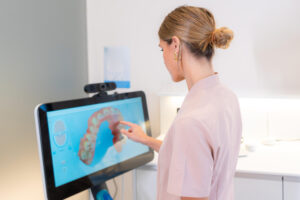
The technology used to plan your treatment is where these systems start to show more significant differences. Invisalign’s treatment planning software, called ClinCheck, is sophisticated and has been refined over decades. It allows orthodontists to visualize your entire treatment from start to finish, making adjustments before any aligners are manufactured. The software can predict tooth movement with considerable accuracy and has a massive database of previous cases to draw upon for treatment planning.
ClearCorrect uses their own treatment planning software, which has improved considerably since the company’s acquisition by Straumann. While it offers similar visualization and planning capabilities, it doesn’t have the same depth of historical data that Invisalign’s system has accumulated over 25+ years. However, for most standard cases, this difference in data depth doesn’t significantly impact treatment outcomes.
Both systems use digital scanning or impressions to create a 3D model of your teeth. Many providers now use intraoral scanners, which are more comfortable than traditional impressions and provide highly accurate digital models. The scanning process is essentially identical regardless of which aligner system your orthodontist uses.
Treatment Capabilities: What Can Each System Handle?
One of the most important questions is whether a system can actually treat your specific orthodontic issues. Invisalign’s long history and continuous innovation have given them capabilities to treat a wide range of cases, from simple spacing issues to complex bite problems. Their system can address crowding, gaps, overbites, underbites, crossbites, and open bites. For particularly complex cases, Invisalign offers specialized products like Invisalign Comprehensive that include unlimited refinements.
ClearCorrect has also expanded its treatment capabilities significantly over the years. Modern ClearCorrect can handle many of the same conditions that Invisalign treats, including moderate to complex cases. However, some orthodontists feel that Invisalign still has an edge in treating the most severe or complex cases, partly due to their more extensive research and development.
For mild to moderate cases – which represent the majority of adult orthodontic patients – both systems are generally equally capable. The skill and experience of your orthodontist or dentist often matters more than the specific aligner brand they use. A highly experienced provider can achieve excellent results with either system.
It’s worth noting that some cases still require traditional braces or a combination of treatments. Neither clear aligner system can handle every possible orthodontic situation, and an honest provider will tell you upfront if your case isn’t suitable for clear aligners.
Cost Comparison: The Bottom Line
Cost is often a deciding factor, and this is where ClearCorrect typically has an advantage. Invisalign treatment generally costs between five thousand and eight thousand dollars, though prices vary based on case complexity, provider location, and treatment duration. The brand’s market dominance and extensive marketing costs are reflected in their pricing.
ClearCorrect treatment typically costs between two thousand and six thousand dollars, making it generally more affordable than Invisalign. This price difference can be significant, especially for patients paying out of pocket or those with limited insurance coverage. However, the exact pricing depends heavily on your provider and location.
Several factors influence the final cost beyond just the aligner brand. Treatment complexity plays a major role – a simple six-month treatment will cost much less than a comprehensive two-year treatment. Your provider’s experience and location also impact pricing, with specialists in major metropolitan areas typically charging more than general dentists in smaller cities.
Insurance coverage can dramatically affect your out-of-pocket costs with either system. Many dental insurance plans now offer some orthodontic coverage for adults, typically covering a portion of treatment up to a lifetime maximum. Both Invisalign and ClearCorrect are usually covered equally under orthodontic benefits, so insurance shouldn’t be a deciding factor between the two.
Many providers offer payment plans that make either system affordable through monthly installments. Some even offer in-house financing with zero or low interest, making the total cost less of a barrier than it might initially appear.
Treatment Duration: How Long Until You See Results?
Treatment length depends more on your specific case than on which aligner system you choose. That said, there are some general patterns worth understanding. Invisalign treatments typically last anywhere from six months for minor corrections to 18 months or more for complex cases. The average treatment time is around 12 to 14 months.
ClearCorrect treatments follow similar timelines, with simple cases finishing in six to eight months and more complex cases taking 18 months or longer. Some providers report that ClearCorrect cases occasionally take slightly longer than comparable Invisalign cases, though this varies significantly based on individual factors.
The biggest factor influencing treatment duration isn’t the brand of aligners – it’s patient compliance. Both systems require you to wear your aligners for 20 to 22 hours per day, removing them only for eating, drinking anything other than water, and oral hygiene. Patients who consistently wear their aligners as directed will finish treatment faster than those who frequently forget or remove them for extended periods.
Both systems typically require “refinements” – additional aligners made after your initial set to fine-tune your results. Invisalign includes refinements in their comprehensive packages, while ClearCorrect’s refinement policies vary by the specific product tier your provider selects.
Provider Network and Availability
Invisalign’s massive market presence means you can find providers almost anywhere. They’ve trained over 200,000 doctors worldwide, giving patients extensive choice in selecting a provider.

This widespread availability makes it easy to find experienced Invisalign providers, read reviews, and compare options in your area.
ClearCorrect has a smaller but growing provider network. While you can find ClearCorrect providers in most areas, you may have fewer options to choose from compared to Invisalign. In some smaller markets, you might not have any ClearCorrect providers nearby, while Invisalign providers are available.
The provider’s experience matters enormously with either system. A highly experienced ClearCorrect provider will likely achieve better results than a dentist who’s only done a handful of Invisalign cases. When choosing between systems, consider the expertise of available providers as much as the brand itself.
Look for providers who have completed hundreds or thousands of cases and have specialized training in orthodontics.
Convenience and Lifestyle Factors
Daily life with clear aligners is remarkably similar regardless of which brand you choose. Both systems require similar wear schedules, maintenance routines, and lifestyle adjustments. You’ll need to remove your aligners before eating or drinking anything except water, brush and floss after meals before reinserting them, and clean your aligners regularly.
Both systems can occasionally cause minor discomfort when switching to new aligners, as your teeth adjust to the new position. This discomfort typically lasts a day or two and is similar between the two brands. Some users report subtle differences in comfort levels, but these reports are inconsistent and seem to be more about individual variation than systematic brand differences.
Invisalign has invested heavily in supporting tools like their mobile app, which helps patients track their progress and provides reminders about aligner changes. ClearCorrect also offers digital tools, though they’re generally considered less sophisticated than Invisalign’s offerings. For tech-savvy patients who value digital integration, this might be a consideration.
Aesthetic Considerations: How Invisible Are They Really?
Both systems market themselves as “invisible” aligners, but the reality is that they’re “nearly invisible” rather than completely undetectable. Under close inspection, people will notice you’re wearing something on your teeth. The question is how noticeable they are during normal interactions.
Invisalign’s SmartTrack material has a slight edge in transparency and thinness, making their aligners slightly less noticeable in most cases. However, the difference is marginal and unlikely to be the deciding factor for most patients. Both systems are dramatically less visible than traditional braces.
Staining can affect the appearance of either system’s aligners, especially if you drink coffee, tea, or red wine without removing them, or if you smoke. Proper care and following wear guidelines will keep aligners clear with either brand.
Attachments – small tooth-colored bumps bonded to your teeth to help aligners grip and move teeth more effectively – are used by both systems. These attachments are often more noticeable than the aligners themselves, but they’re necessary for many cases and are used similarly by both brands.
Making Your Decision: Key Factors to Consider
Choosing between ClearCorrect and Invisalign ultimately comes down to several personal factors. If budget is your primary concern and you have access to an experienced ClearCorrect provider, the cost savings might make it the better choice. If you have a complex case and want the system with the longest track record and most extensive research, Invisalign might provide more peace of mind.
Provider expertise should weigh heavily in your decision. If you have an excellent orthodontist who strongly prefers one system and has extensive experience with it, that provider relationship is probably more valuable than any brand differences. Ask potential providers about their experience with both systems, how many cases they’ve completed, and which system they’d recommend for your specific situation.
Consider getting consultations from providers who use different systems. Most orthodontists and dentists offer free consultations where they’ll evaluate your case and provide treatment estimates. Seeing different treatment plans and pricing can help you make an informed comparison.
Think about your priorities beyond just straightening your teeth. If having the latest technology and most refined digital tools matters to you, Invisalign might align better with your values. If getting comparable results at a lower price point is more important, ClearCorrect could be ideal.
The Verdict: Both Can Work Beautifully
The somewhat unsatisfying but honest answer is that both ClearCorrect and Invisalign can deliver excellent results for the right patient with the right provider. Invisalign’s longer track record, extensive research, and refined technology give it an edge for complex cases and tech-focused patients who value digital integration. ClearCorrect’s lower cost and improving technology make it an excellent choice for budget-conscious patients with mild to moderate orthodontic needs.
Your success with either system depends more on choosing an experienced provider and following your treatment plan diligently than on the specific brand of aligners. Focus on finding a provider you trust, understanding your treatment plan thoroughly, and committing to wearing your aligners as directed. Do those things, and either system can give you the confident smile you’re seeking.