
Coral Springs, FL · English & Spanish
Two Coral Springs dentists.
One clear plan for your smile.
You’ll always know what’s happening with your teeth — and why. Two dentists who plan your care together, explain it in plain language, and never rush you out of the chair.
One practice, two dentists
One practice, two dentists, one plan for your smile
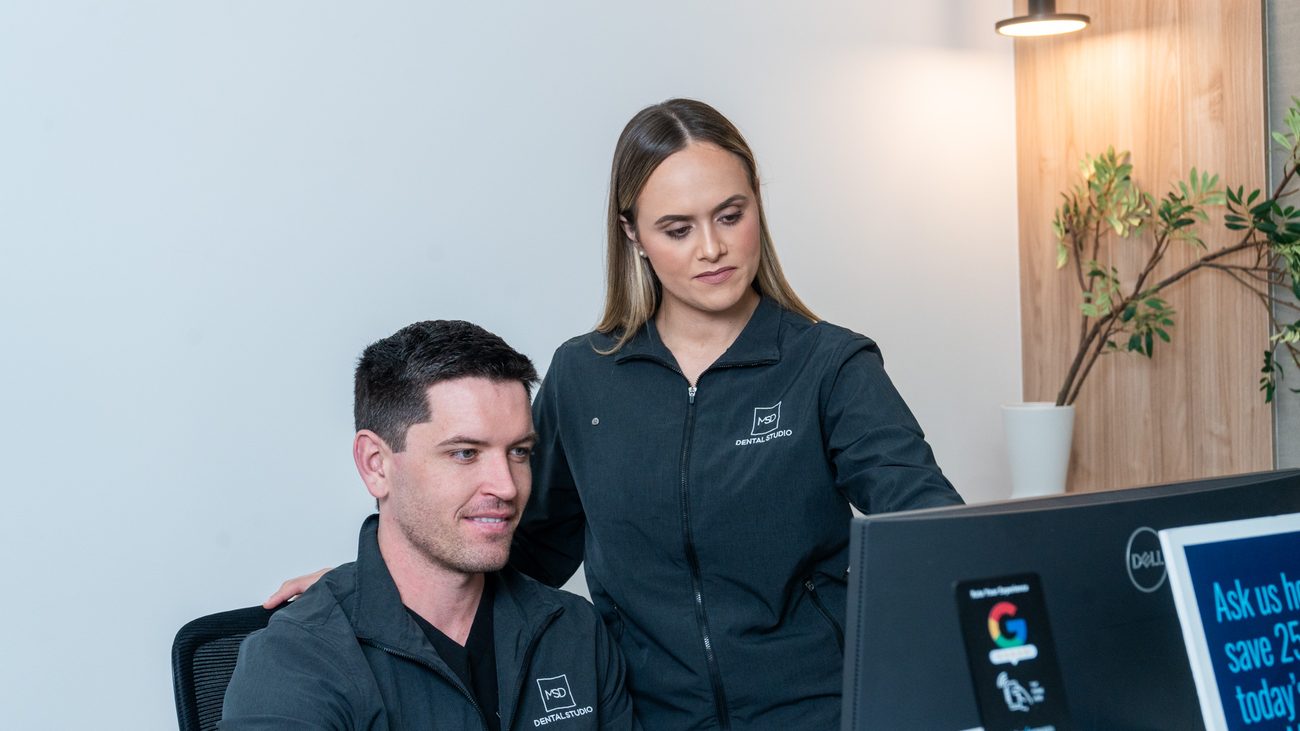
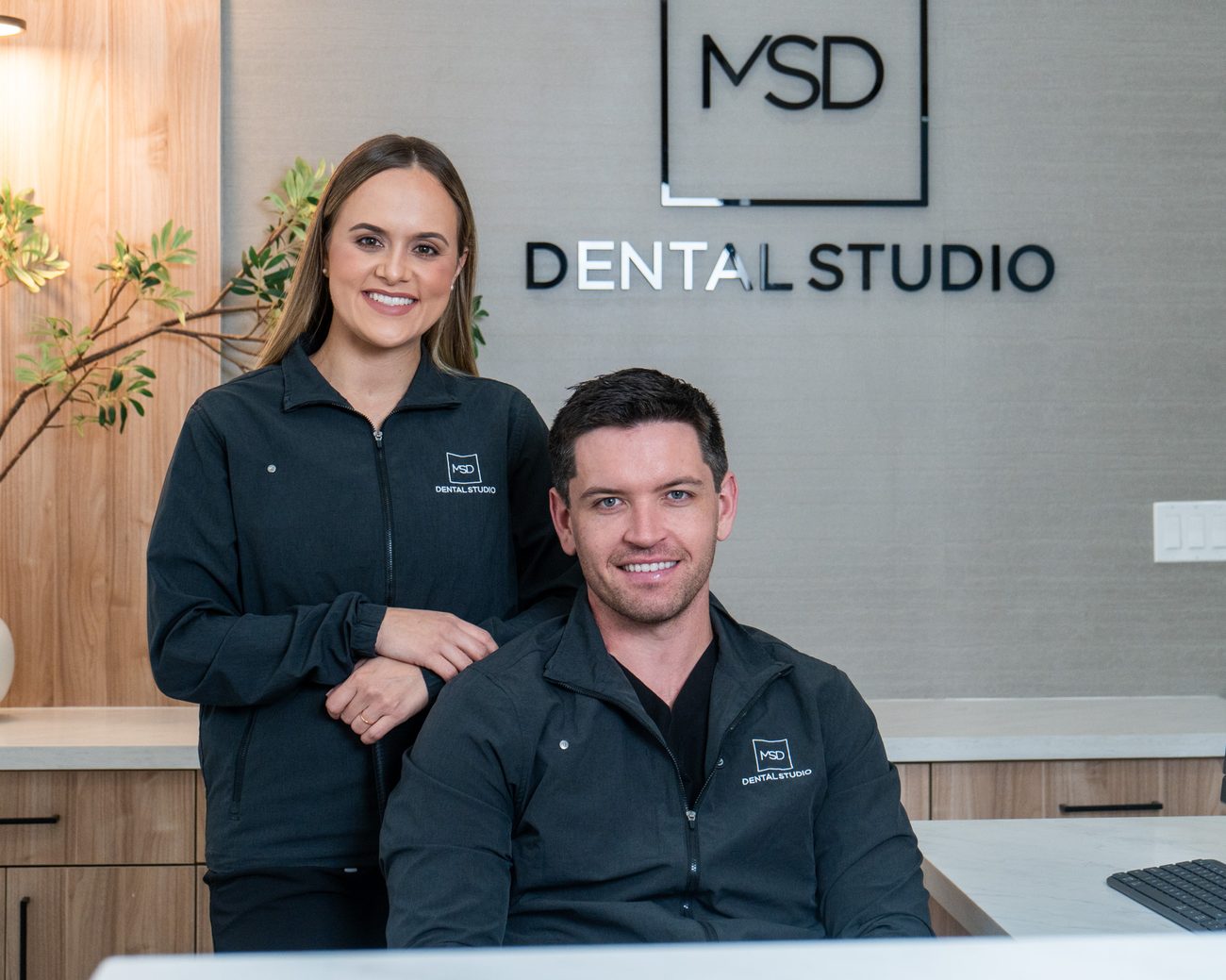
Most dental visits feel like a conveyor belt. Yours won’t. Dr. Matthew Dillon and Dr. Shantall Di Loreto built MSD Dental Studio to fix the thing that frustrated them most about dentistry: how rushed and impersonal it usually feels. Here, two doctors actually talk to each other about your teeth, agree on a plan, and walk you through it until it makes sense. You’ll leave understanding your oral health better than when you came in. For a lot of our patients, that’s a first.
“I hadn’t been to the dentist in nearly ten years and was nervous about going back. From the moment I walked in, the energy put me completely at ease — warm, friendly, and genuinely welcoming, with no judgment. What won me over was the transparency on pricing: honest and upfront, no surprises, no upselling.”
“Dr. Matthew and Dr. Shantall are true professionals, and their studio is modern and high-tech. Before my deep cleaning they did x-rays and got everything approved with my insurance. I highly recommend MSD Dental Studio.”
“Tuve una excelente experiencia. El trato fue muy profesional y amable desde que llegué. Los doctores explican todo con claridad y se nota que realmente se preocupan por el bienestar del paciente. Los precios son justos y el lugar es moderno y limpio. Sin duda volveré y lo recomiendo al 100%.”
English: I had an excellent experience — professional and kind from the moment I arrived. The doctors explain everything clearly, and you can tell they truly care about the patient’s well-being. Fair prices, and a modern, clean office. I’ll definitely be back and recommend them 100%.
“The most impeccable place and service! You don’t feel like you’re at a dental office, which is a huge plus — everyone is friendly and they care about your well-being. I love coming to MSD and feeling fully taken care of.”
“Dr. Shantall has been incredibly helpful and accommodating, especially working around my busy schedule. From start to finish, the team has been professional, friendly, and efficient. This has been the best dental experience I’ve ever had — I highly recommend them.”
“One of the best dental experiences I’ve had. They made sure I was informed on every option and kept me at ease the whole time.”
Meet your doctors
The two people who’ll be looking after you
Dr. Matthew Dillon is the one who figures out what’s actually going on. Before anything else, he reads the whole picture — what’s failing, what’s stable, what can wait — and tells you straight, including when the answer is to do less. When rebuilding is the right call, that’s his craft: implants, crowns, and restoring teeth that have been through a lot. Patients tend to mention two things — how gently he works, and how clearly he explains what he’s doing before he does it.
Dr. Shantall is the one who makes sure it all feels right. She focuses on the experience of being treated — that you understand the plan, feel good about starting it, and never feel rushed into anything. Her own work is the care that keeps a mouth healthy and builds confidence: cleanings, prevention, and clear aligners. And she stays close to the details, so the plan you agreed to is the plan that gets done.
Together they handle most of your care right here — and bring in trusted specialists only when that’s genuinely what’s best for you — so your treatment is worked through by two complementary sets of eyes, not handed off and pieced together. Dr. Dillon completed his undergraduate studies at the University of Florida and Dr. Shantall completed hers at Nova Southeastern; both earned their dental degrees at NYU, and both have pursued advanced training at the Kois Center.
Why patients choose MSD
What that’s like as a patient
- You’ll understand your options before any decision gets made.
- Small issues get caught early, while they’re still small.
- Your care is planned for the long run, so you’re not back every few months with a new surprise.
- Two dentists, one coordinated plan — not a different face every visit.
Services snapshot
How we can help
Comfort-Focused & Emergency Care
Sedation for nervous patients, same-day help when it hurts.
Learn more →Comprehensive, coordinated care
Most of your care in one place — and trusted specialists when that’s what’s best for you.
See all servicesHow it works
Getting started is simple
Book your first visit
Call, text, or book online in about a minute — a real person helps you find a time that works.
Meet and plan together
A thorough exam, clear findings, and a complementary set of eyes on anything significant — explained in plain language.
Care at your pace
We move at a pace that feels right for you, with comfort options whenever you need them.
For nervous patients
Nervous about the dentist? You’re in good company.
A lot of our patients haven’t been to a dentist in years, and they tell us so on the first visit. We get it. We go at a pace that feels okay to you, explain each step before it happens, and offer comfort options — including sedation — when they’d help. You stay in control the whole time.
Community & bilingual
Part of the neighborhood — en español, too
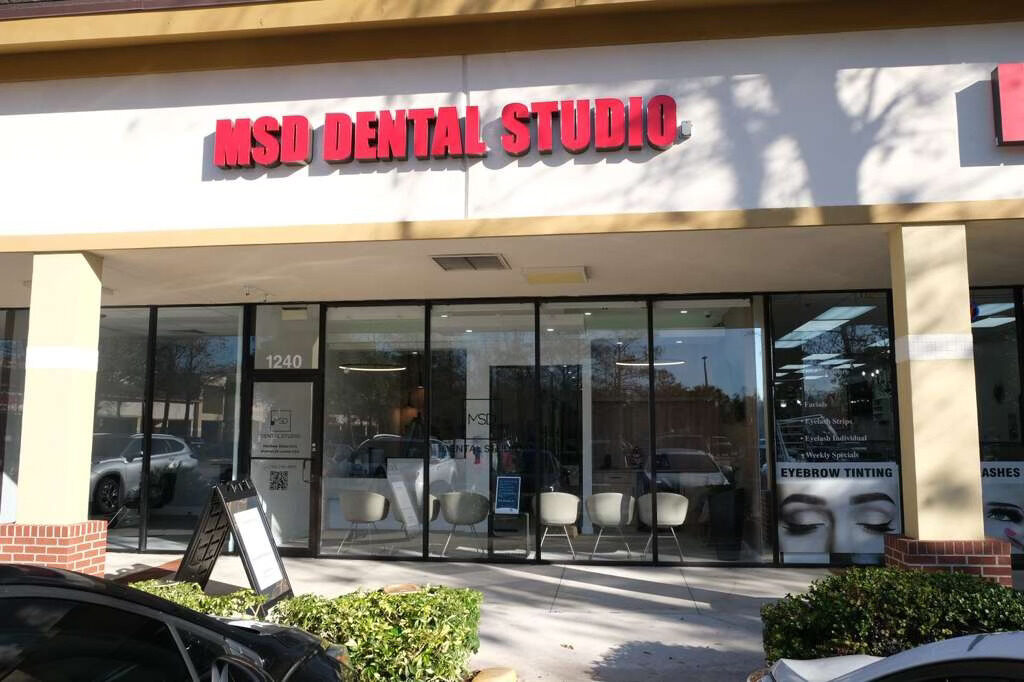
We’re part of the Broward community and care for patients right here in Coral Springs, in English and Spanish, so you can ask questions in the language you’re most comfortable in. We’re also proud to support local causes close to us, including animal rescue.
A look inside
Real visits, real people
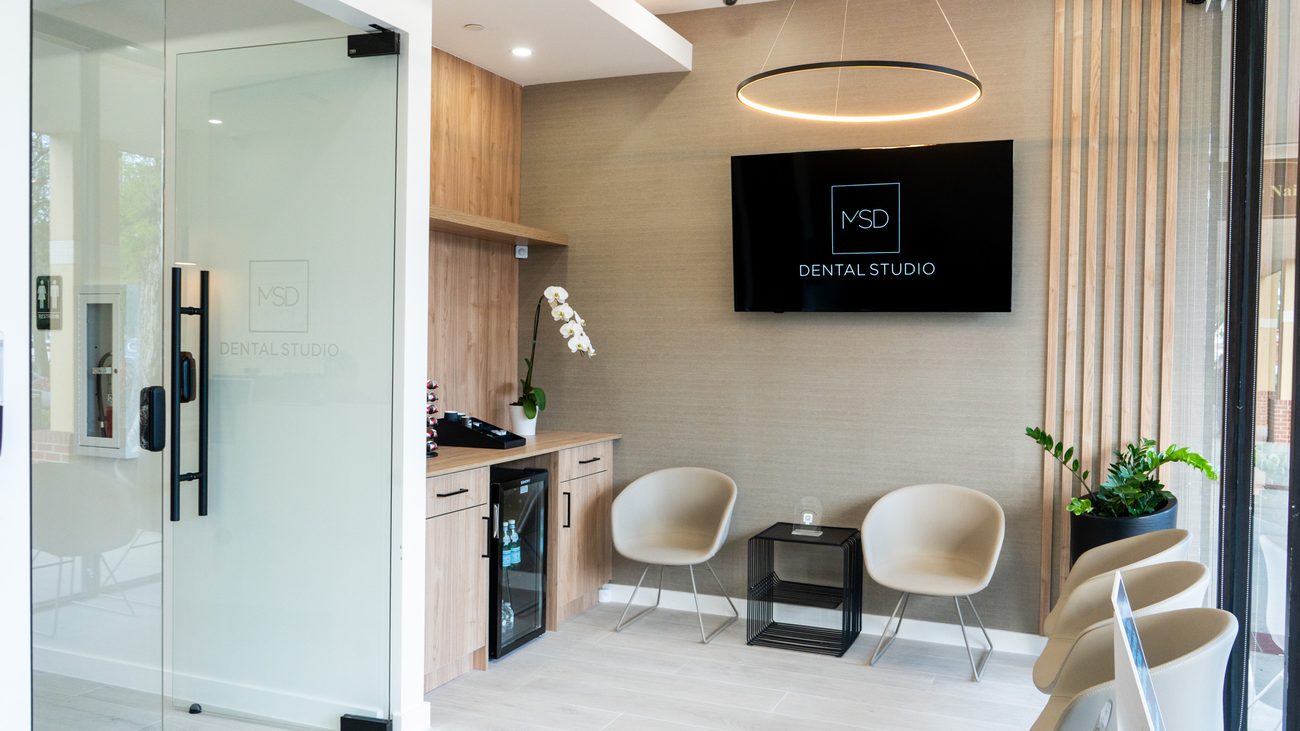
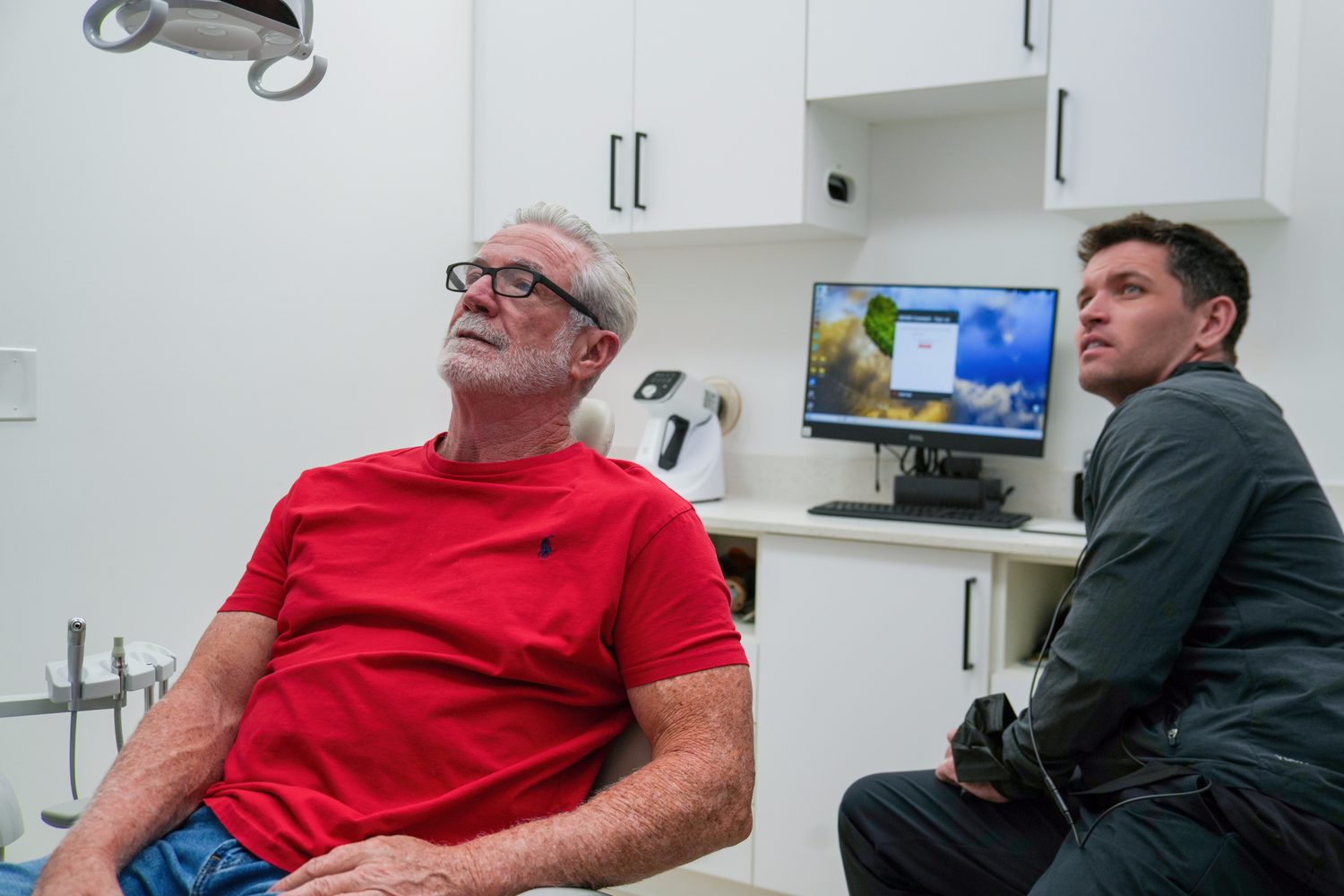
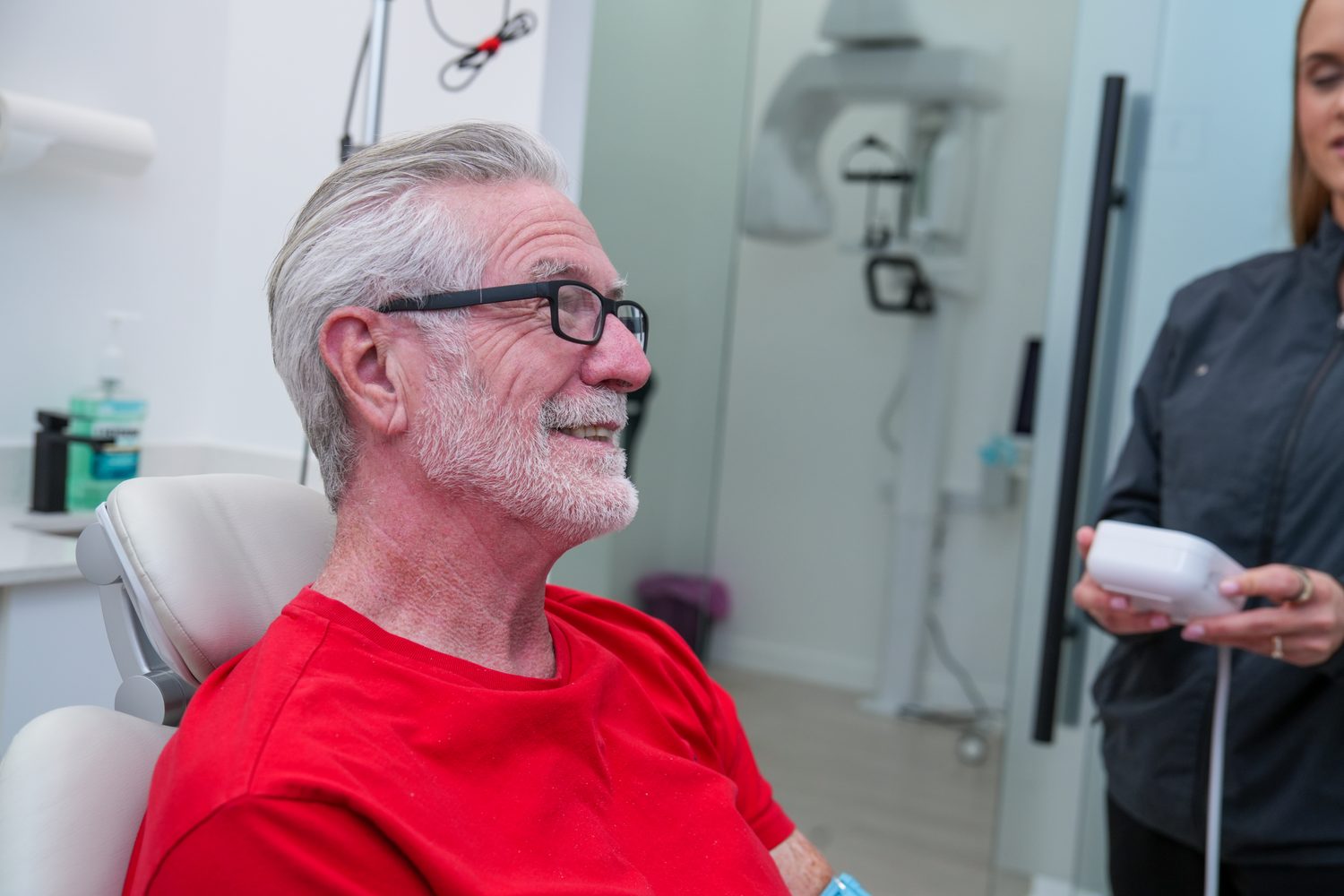
A glimpse of what care actually looks like at our Coral Springs office.



Reviews
Rated 5.0 by our patients
New patient offer
$79 comprehensive exam & full digital X-rays
Plus $100 off your initial cleaning or periodontal therapy.
Claim this offer Call or text 754-240-4820
For patients without dental insurance; cannot be combined with insurance benefits.
And for everyone: clear aligner and implant consultations are always complimentary.
A note from Dr. Dillon
“Friends outside dentistry ask me all the time: ‘What’s the best dental insurance?’ My background is in economics, so I tend to weigh the tradeoffs — and the honest answer is: it depends.”
No insurance? No problem.
A simple membership plan for affordable care
Cleanings, exams, and X-rays — plus savings on other treatment. No deductibles, no claims, no annual maximums. Just straightforward care at a fair price.
See membership & payment optionsFAQ
Frequently asked questions
Are you accepting new patients in Coral Springs?
Yes — we’re glad to welcome new patients. Book online in about a minute, or call or text us at 754-240-4820 and a real person will help.
Where are you located?
We’re on N University Drive in Coral Springs, with free parking, serving Parkland and Coconut Creek as well.
What if I’m nervous or haven’t been to a dentist in years?
You’re in good company — many of our patients are in exactly that spot. We go at your pace, explain each step, and offer comfort options including sedation.
Come see what calm, clear dentistry feels like.
Whether you’re overdue for a cleaning or thinking about a bigger change, we’d be glad to meet you. Booking takes a minute, and a real person is always here to help.
Book your first visit Or call or text 754-240-4820